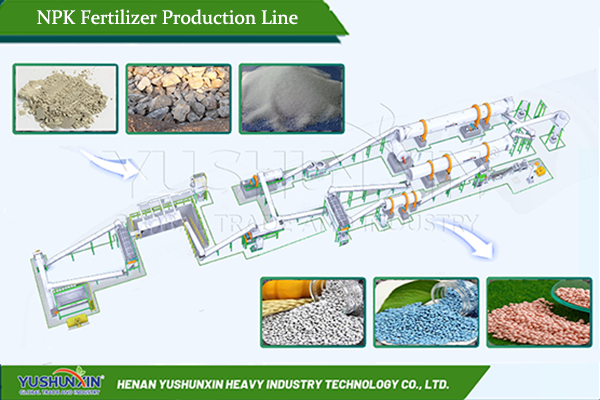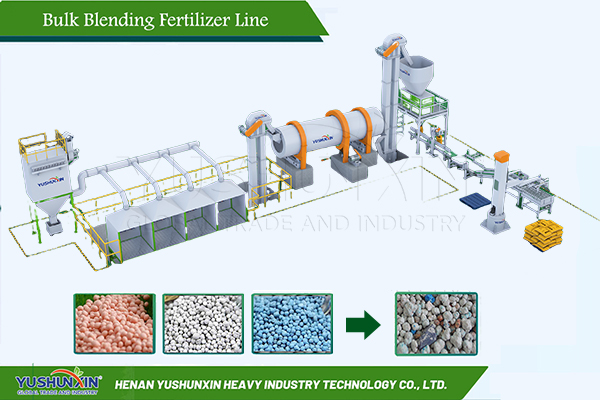
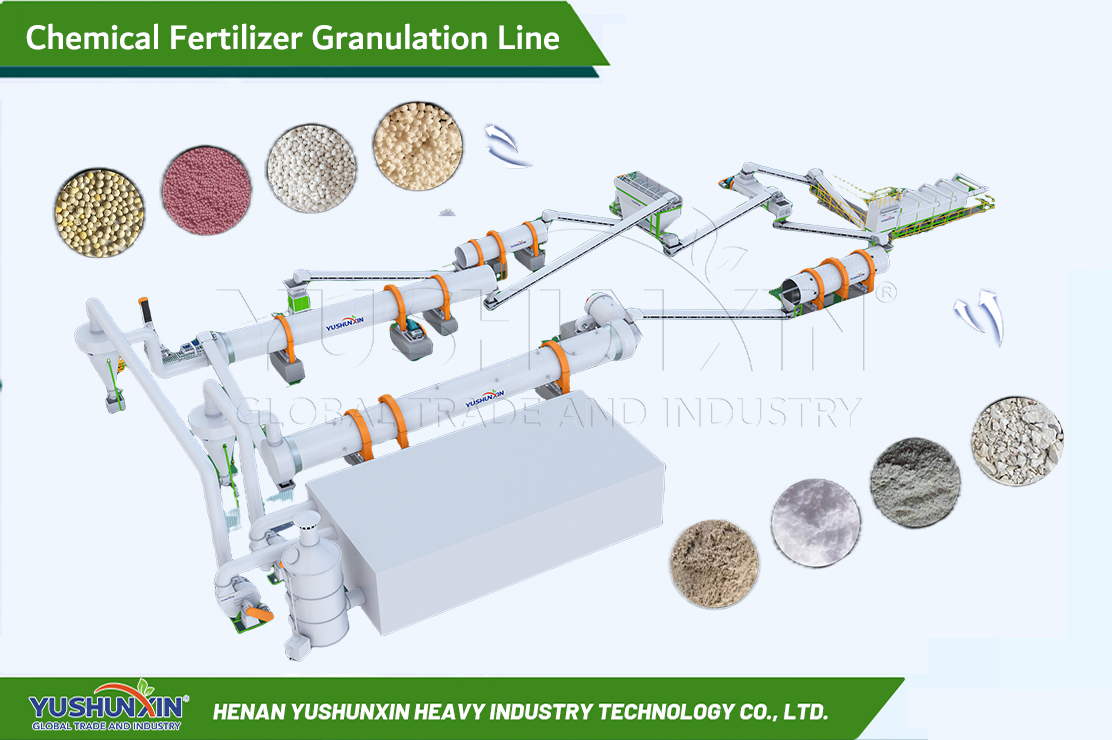
When you want to make compound fertilizer, you need to pay attention to aspects. Including materials, technologies and equipment and cost. Finally, you need to ensure the safety of your chemical fertilizer plant. YUSHUNXIN, as a professional fertilizer equipment manufacturer, not only can provide you with suitable chemical fertilizer production line, but also offer you many other tips for better compound fertilizer manufacturing. Such as materials choosing, cost saving, etc. If you have any other requirements, you can also contact us for the best solutions immediately.
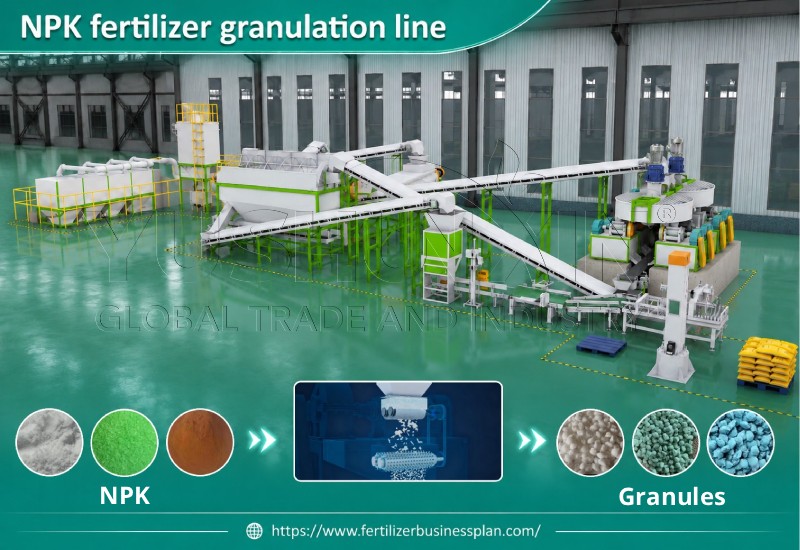


Which complex fertilizer manufacturing solution is best?
Is the compound fertilizer production solution best or not? This depends on your raw material form, production capacity, budget, workshop space and target market. Compare these 4 configurations to identify a suitable starting point for your project.
Profitable Compound Fertilizer Preparation: NPK Roller Extrusion
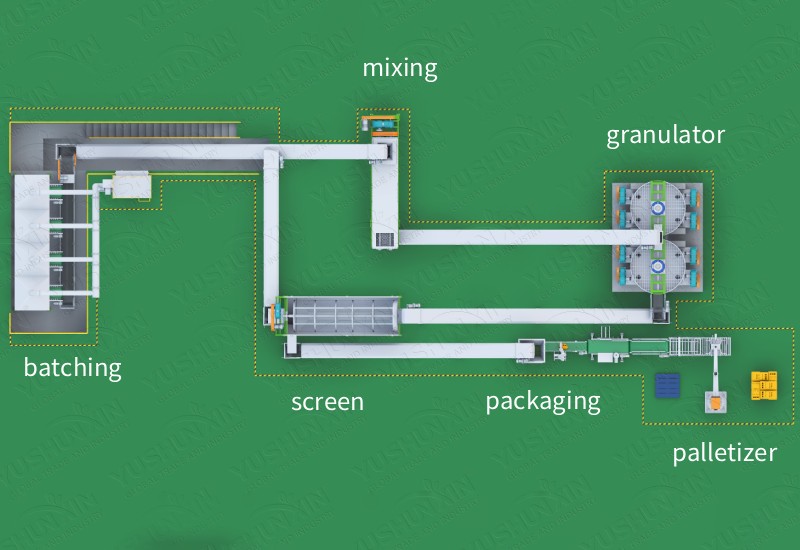
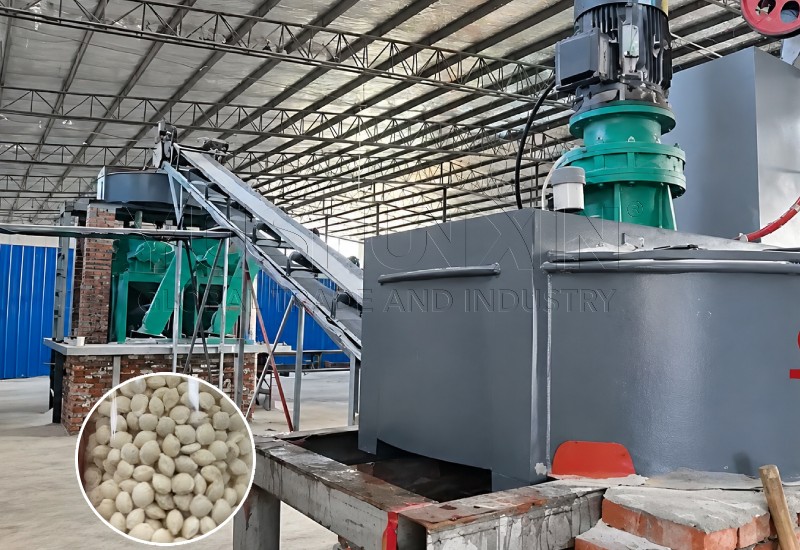
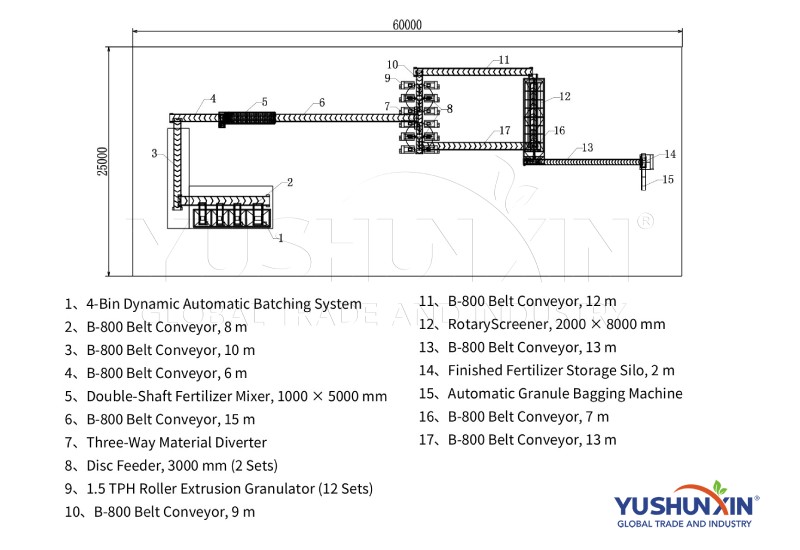
For profitable compound fertilizer manufacturing, powder granulation is an ideal choice. It has a high value because of stable nutrient content and easily mechanical spreading. For this, considering a roller extrusion granulation system. No needs of drying and cooling, for 1–20 TPH configurations, with reference budgets of USD 50,000–400,000 and workshop requirements of approximately 1,000–3,500 m².
Fast Customized Fertilizer Manufacturing: BB Blending
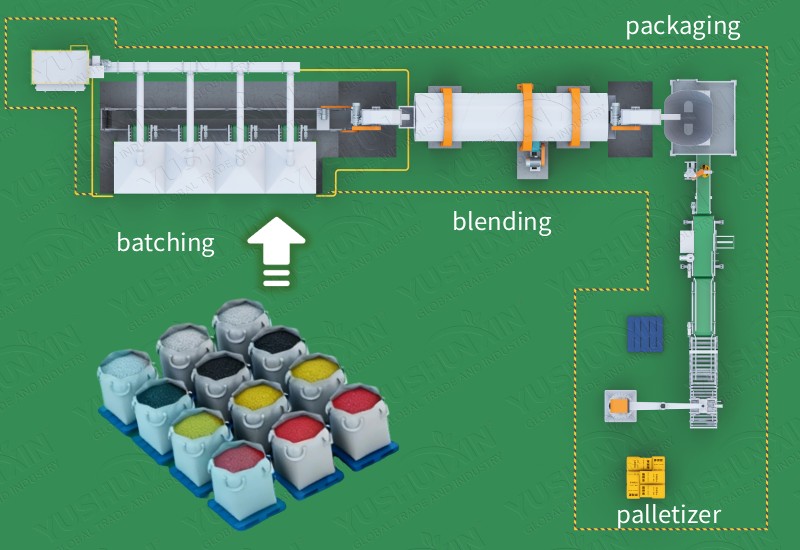
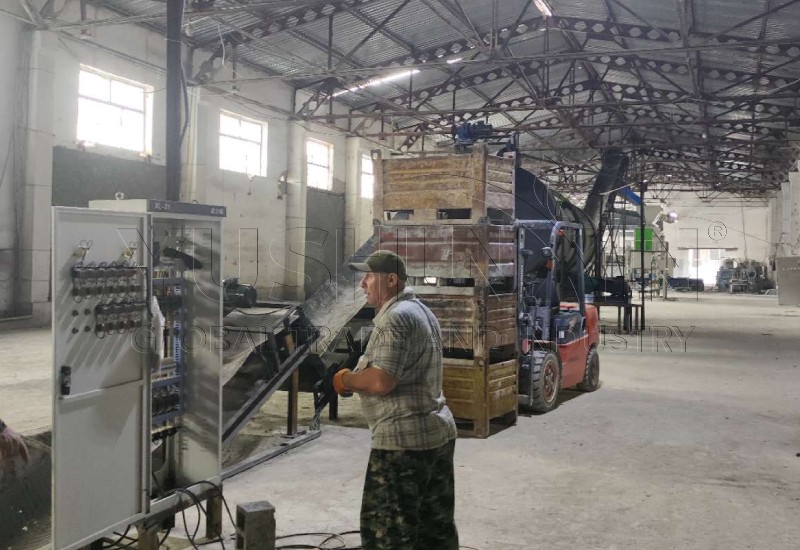
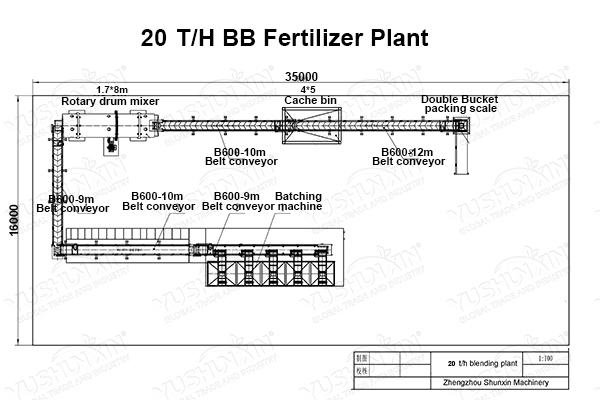
For ready-made granular ingredients, a BB fertilizer line supports 5–100 TPH through batching, blending and packaging. While it requires an economical budget and small workshop space of USD 30,000–500,000 and 800–2,500 m². Moreover, this granule-to-granule blending route supports frequent formulation changes for regional and crop-specific markets.
Drip Irrigation Fertilizer Production: Powdered Water-Soluble Blending
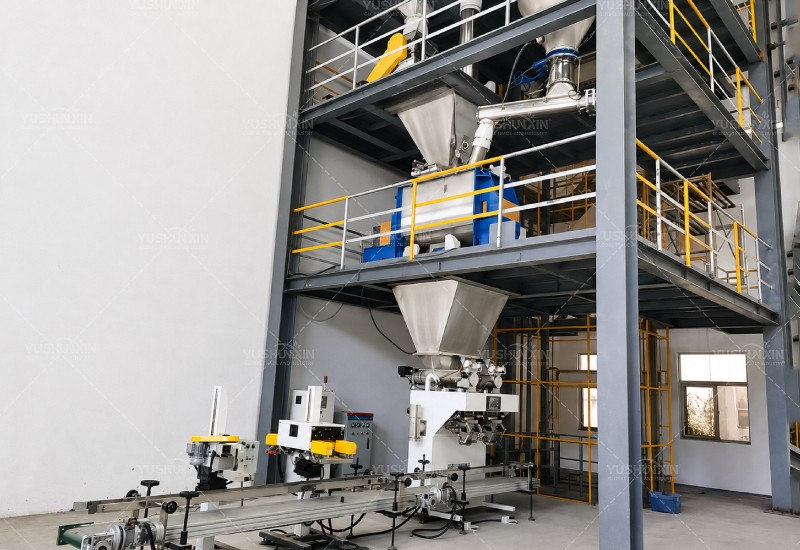
As mentioned above, if you target fertigation suppliers, the powdered water-soluble fertilizer system is better. These powder-to-powder blending configurations cover 1–10 TPH, with reference budgets of USD 30,000–160,000 and workshop requirements of 300–1,500 m². Ingredient solubility and insoluble residue limits guide your material selection.

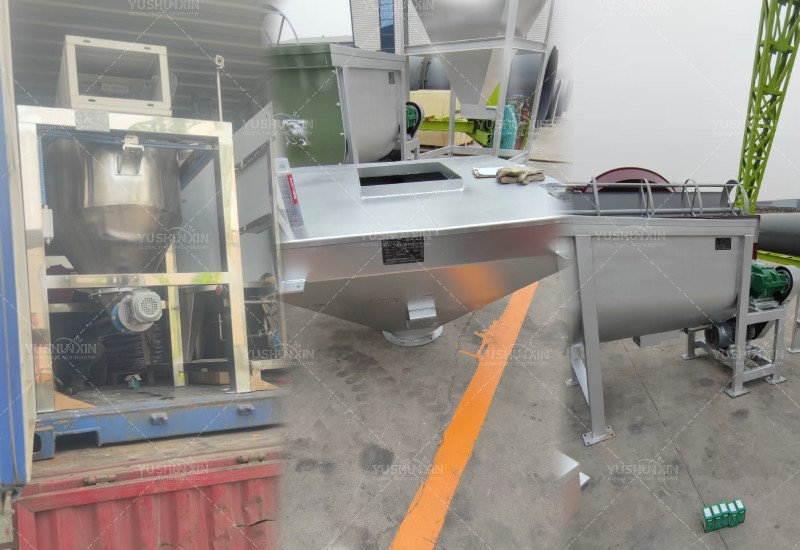
Mineral Fines Processing: SSP Production With Rotary Drum Granulation
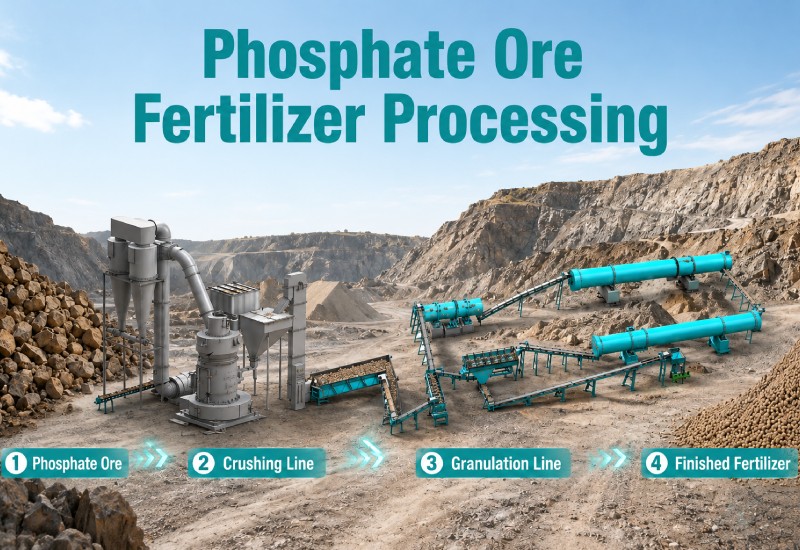
For phosphate fertilizer projects, the SSP route requires acidulation and curing before downstream granulation. A rotary drum configuration converts prepared SSP powder into granules. Gas Filter Your planning range covers 1–20 TPH, USD 80,000–500,000 and approximately 1,000–6,000 m² of workshop space.
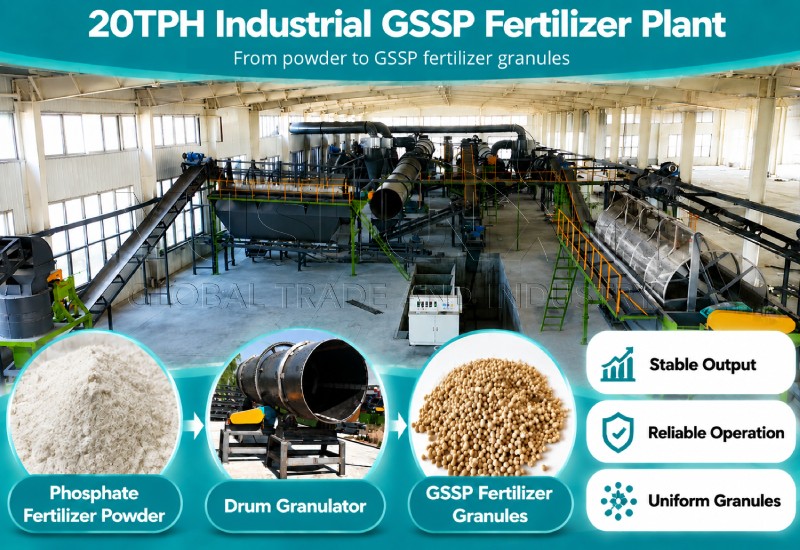
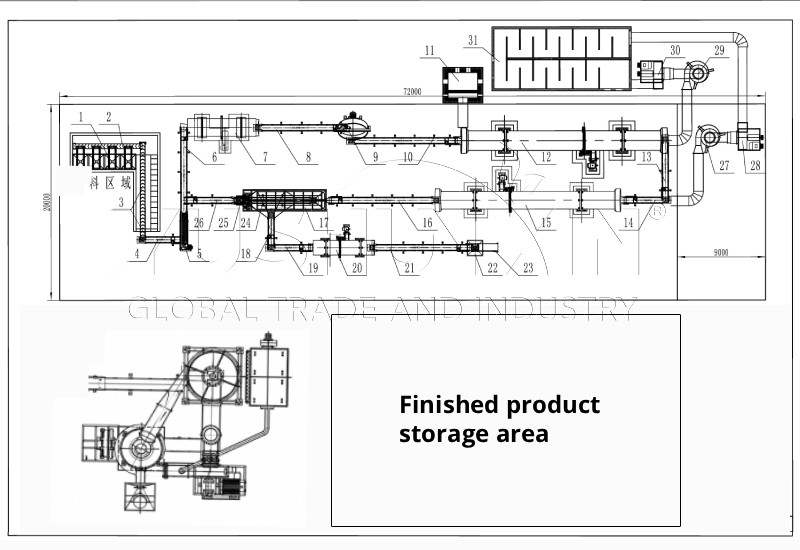
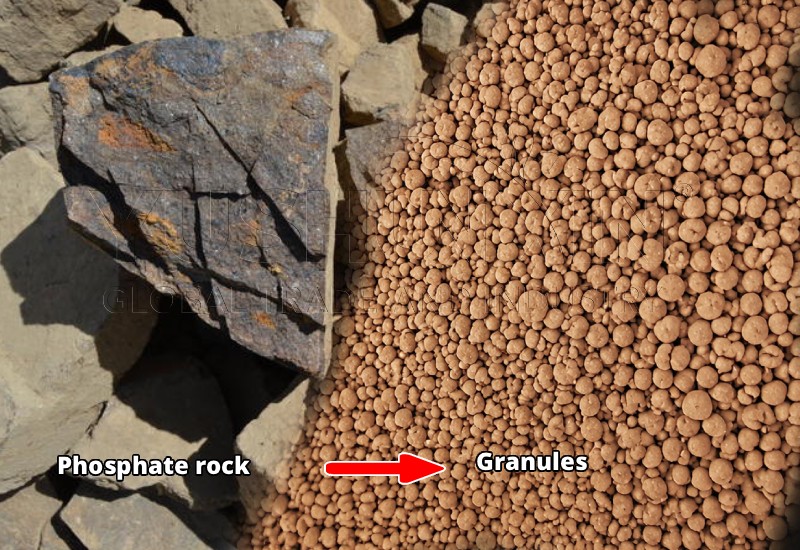
Share your favored complex fertilizer production solution and send your materials, target fertilizer and site dimensions to YUSHUNXIN. Our engineers will then refine the layout, confirm the equipment scope and prepare a project-specific quotation.
| System | Capacity (TPH) | Cost (USD) | Area (㎡) | Equipment Material |
|---|---|---|---|---|
| NPK granulation | 1-20 | 50,000–400,000 | 800–2,500 | carbon steel/ stainless steel |
| BB blending | 5-100 | 30,000–500,000 | 800–2,500 | carbon steel/ stainless steel |
| Water soluble | 1-10 | 30,000–160,000 | 300–1,500 | stainless steel |
| SSP production | 1–20 | 80,000–600,000 | 1,000–6,000 | stainless steel |
Lastest compound fertilizer production projects cases
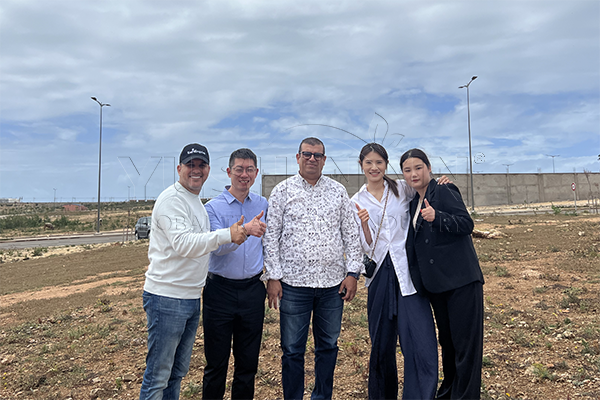
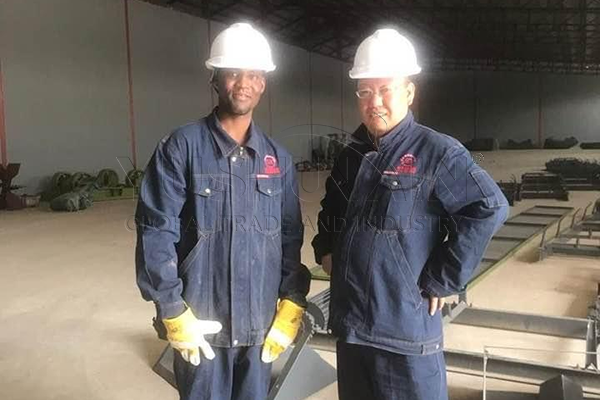
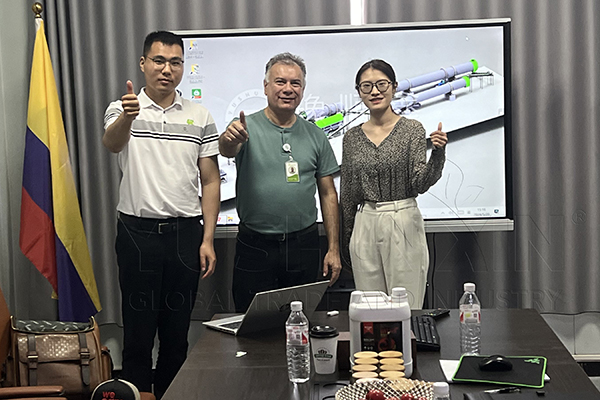
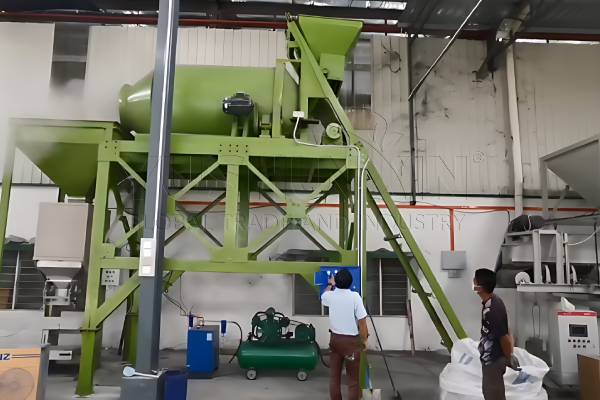
In addition, there are some lastest established chemical fertilizer plants with YUSHUNXIN machines for your reference.They contain not only BB fertilizer making in Sri Lanka, NPK granulation line in Indonesia, but also phosphate fertilizer making in Morocco, bentonite granule production in Colombia, etc.
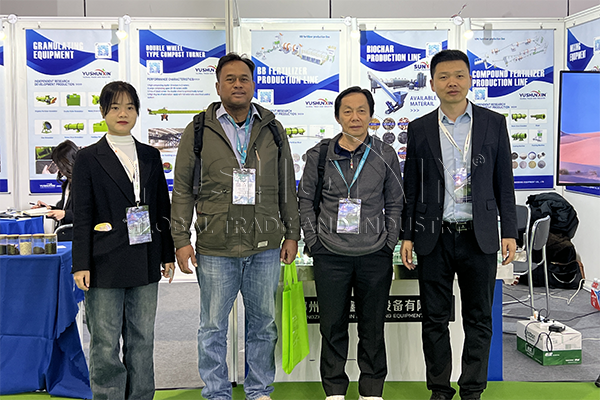
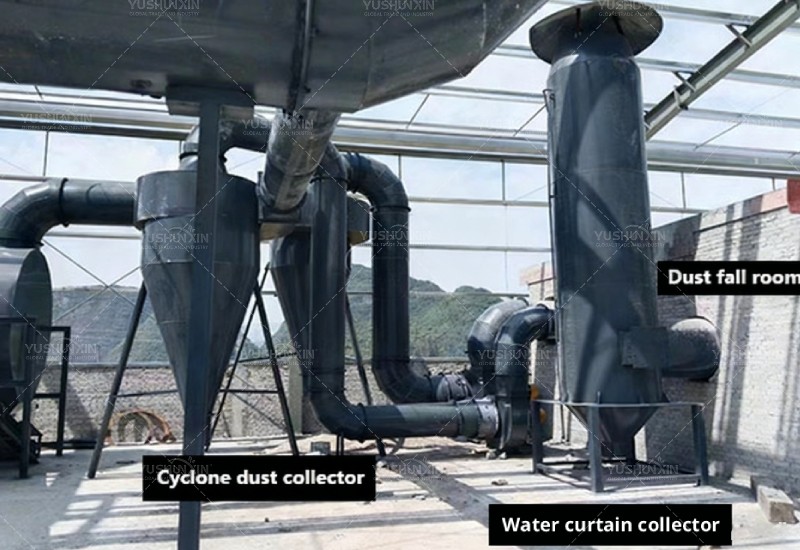
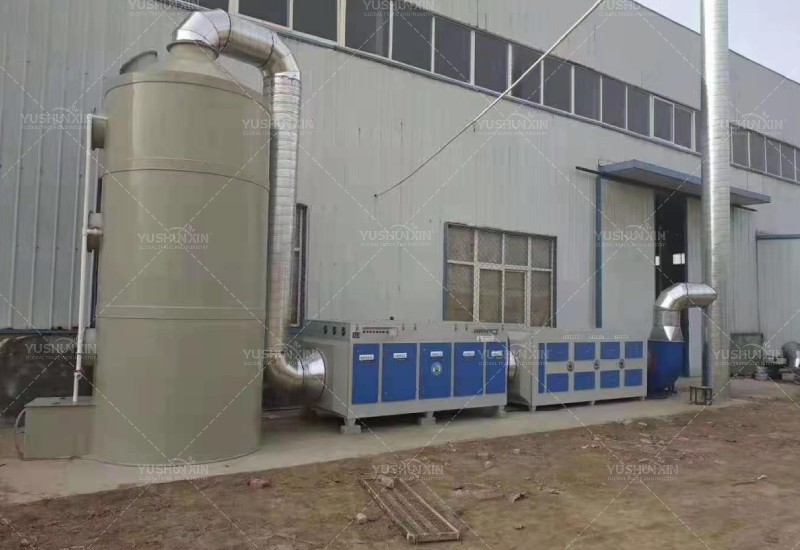
How to ensure the safety and dust reduction of the complex fertilizer production?
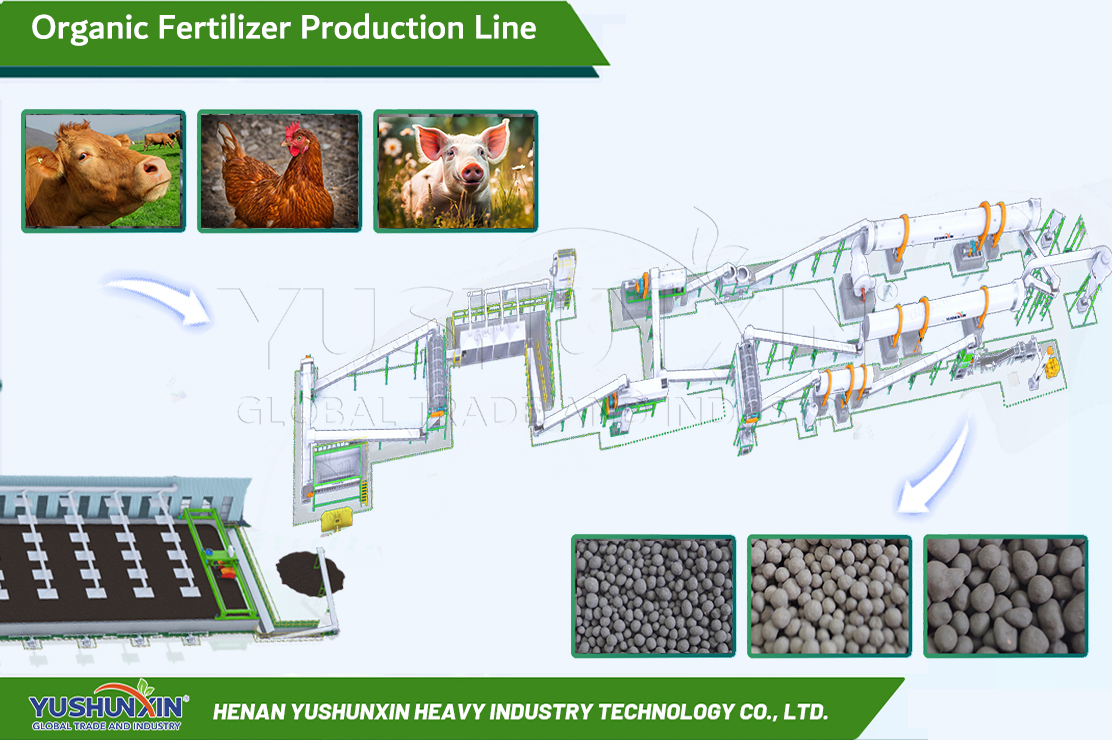
Besides, there are also various organic fertilizer making plans, biofertilizer production lines, biochar fertilizer systems for you. Ranging from 1 t/h to 30 t/h, with materials from cow dung to chicken poop, costs from $10,000 t0 $500,000, etc. Come to see them immediately!